Walking The Streets Of Siem Reap

Posted by : foongpc | Tuesday, October 18, 2011 | Published in

ADVERTISEMENT


It was our last day in Siem Reap.

After 3 days of temples, temples and more temples in Siem Reap, I was looking forward to 3 non-temples days in Phnom Penh. But then again, all these amazing temples had inspired me to visit the ancient pyramids of Egypt with its history and architectural wonders. Perhaps I should start planning for a nice Egypt holidays soon!

Jam, his friend and I would be boarding the bus to Phnom Penh in the afternoon. After visiting Artisans d'Angkor in the morning, there was still some time left so we decided to have an early lunch.

We opted to go to Khmer Kitchen at Pub Street Alley again. If you recall, we went there for dinner on our first day in Siem Reap - read the post HERE.

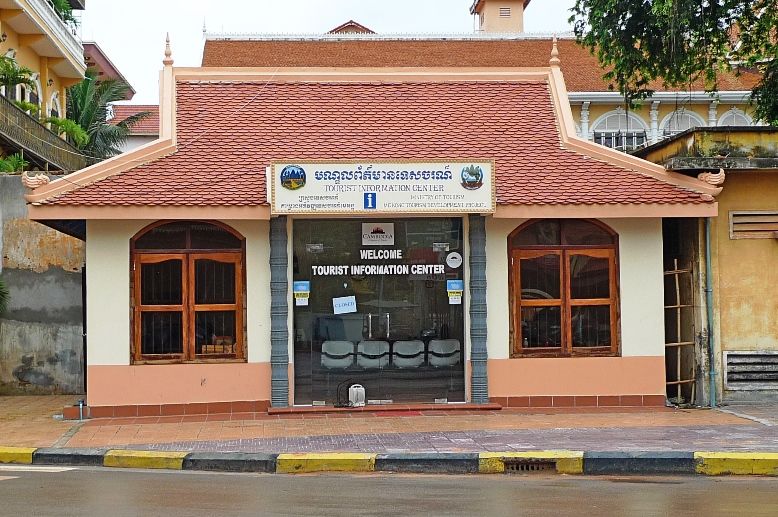
Before I blog about our lunch, here are some pictures I took along the streets of Siem Reap. This is the Tourist Information Centre which is located very near to Angkor Friendship Inn where we stayed for 3 nights.


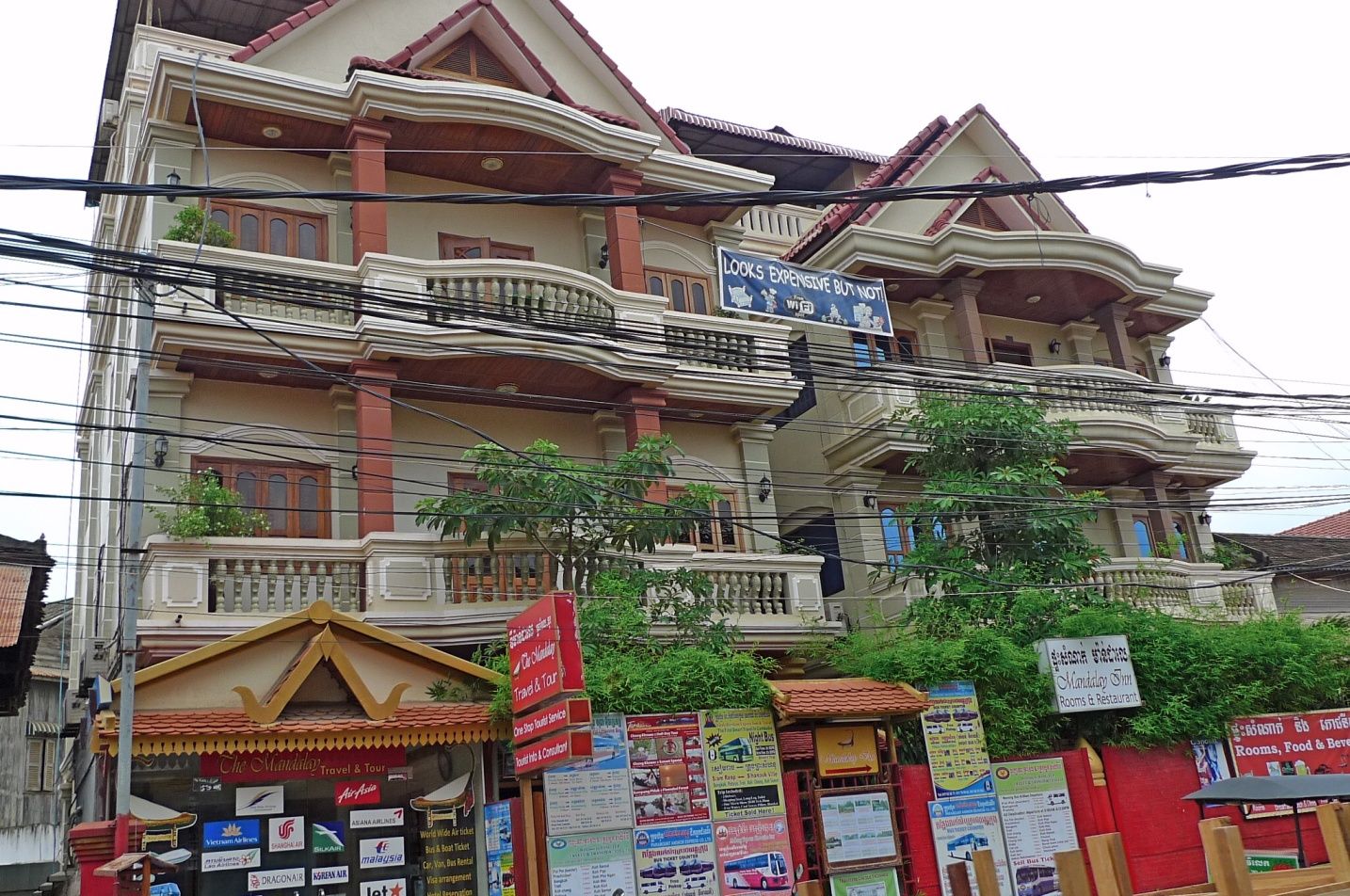
This is Mandalay Inn which had a notice hanging on the top floor. Can you read it? No?


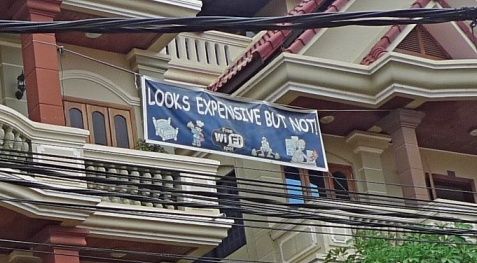
Let me magnify for you. Now can you read it?


Here is another guesthouse called Ei8htRooms which I thought was rather nice.
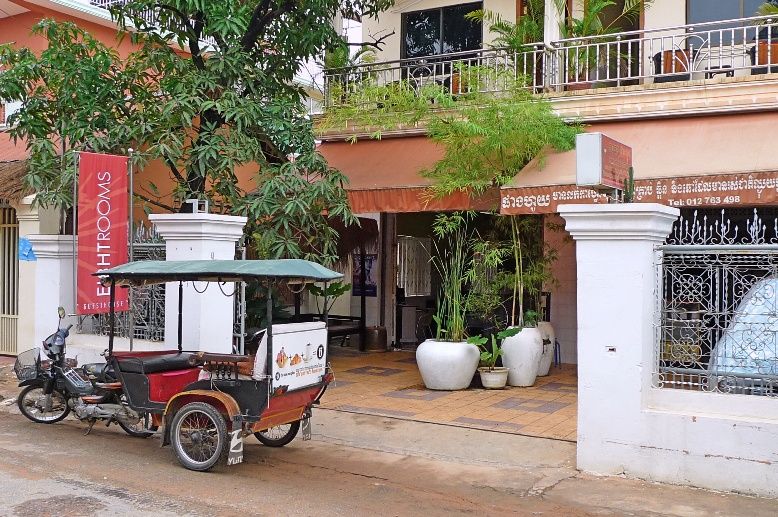


All these inns and guesthouses, including the one were were staying in, are within walking distance to each other. If you plan to visit Siem Reap, you might want to check them out as they are in the best location.

Can you guess what is inside each of these bottles?
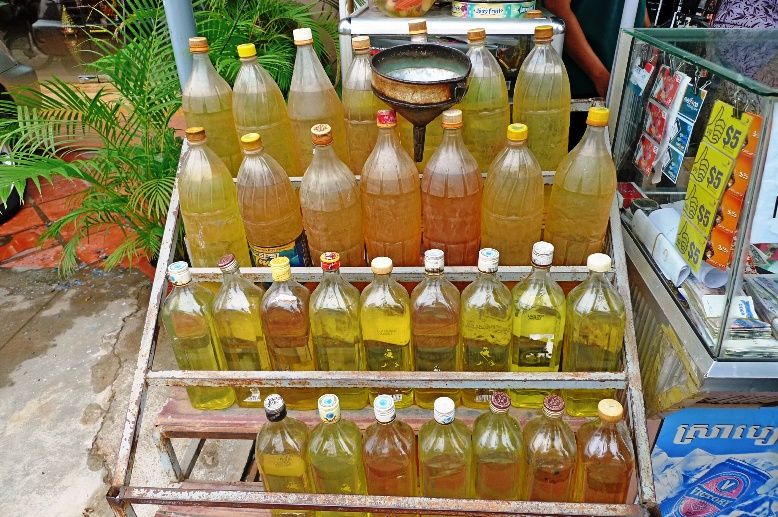


No, they are not for drinking. It's actually petrol! I remember seeing petrol sold in bottles in Bali too - you can read about it HERE.

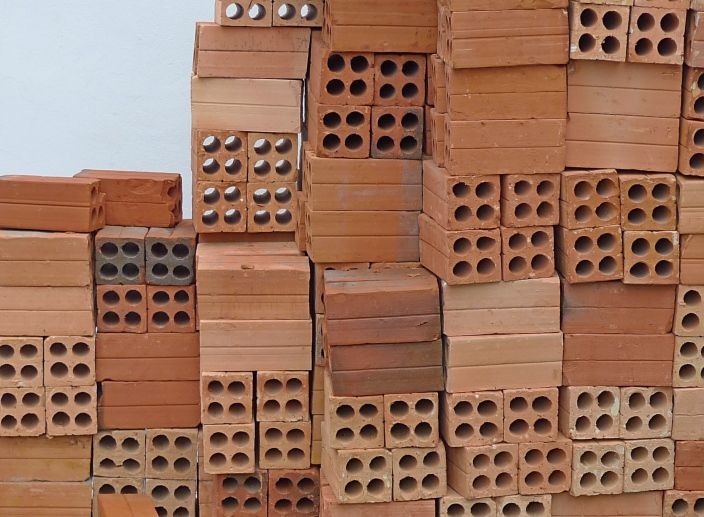
Oh! I learnt something new in Cambodia! Look at these bricks. Can you see they are hollow? Well, guess what? Hollow bricks are used in almost all buildings in Cambodia to save cost!


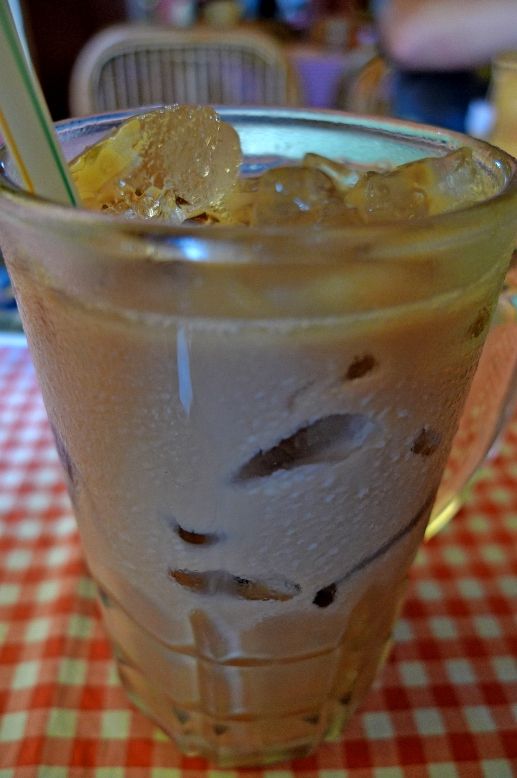
OK, so what did we eat at Khmer Kitchen Restaurant? I was thirsty and ordered this Khmer iced coffee. It was refreshing!


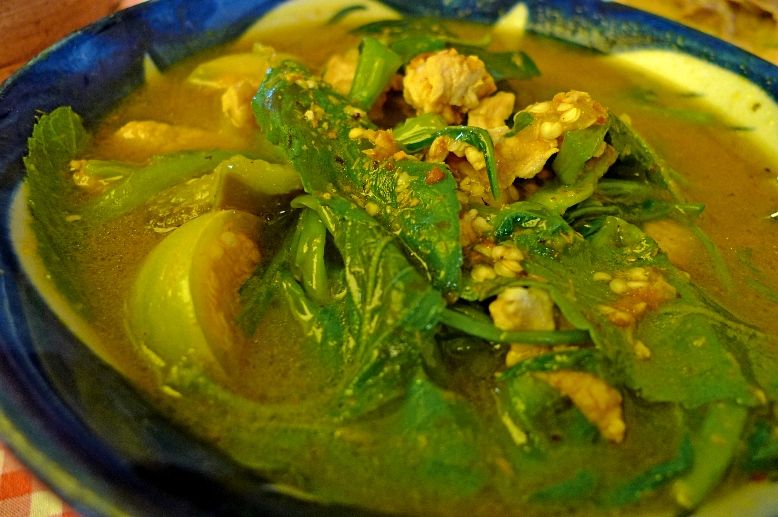
I had actually forgotten the names of the dishes we ordered so I would just give each dish a general name. This is spicy Khmer soup which contains mixed vegetables and meat. I could not remember whether the meat was pork or beef. This picture may not look yummy to you, but I assure you it was very delicious!


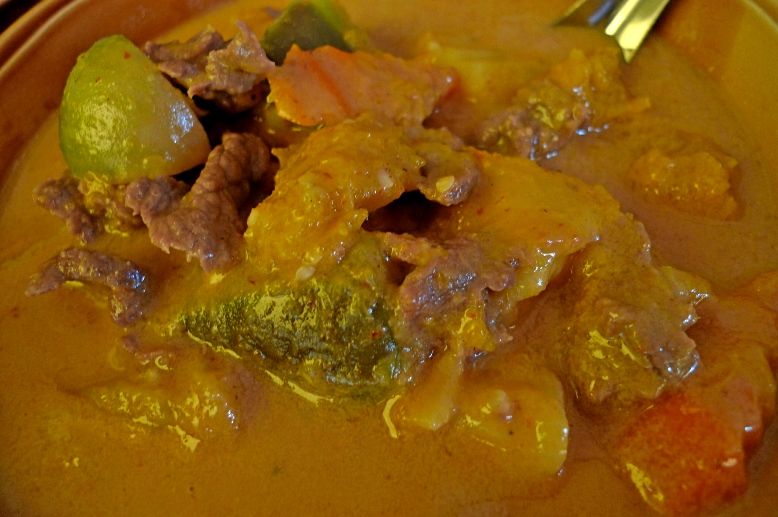
Next we had a type of Khmer curry which contains mainly meat (again not sure whether it was pork or beef) and vegetables. The curry was very delicious as coconut cream was added to it.


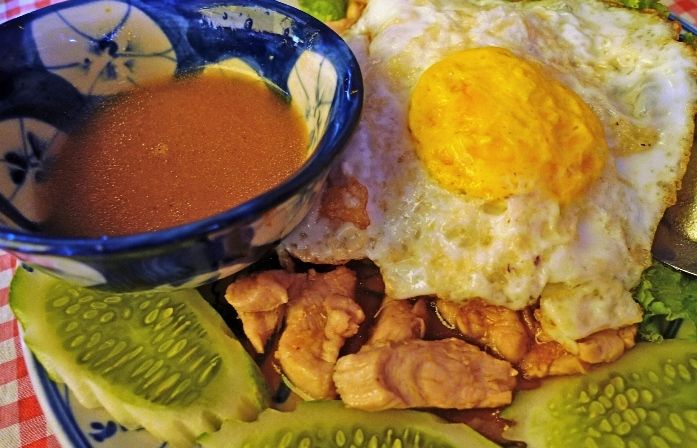
Lastly, we had Chicken Lok Lak - a popular Cambodian dish that is made up of stir fried chicken served on a bed of cucumbers, lettuces, tomatoes and egg. There was also a bowl of dipping sauce made with lime and pepper.


All three dishes cost USD3 each. My glass of iced coffee cost USD1. I thought the price was most reasonable! I have to say I enjoyed the food at this restaurant. If I ever return to Siem Reap in the future, I will surely visit this restaurant again!
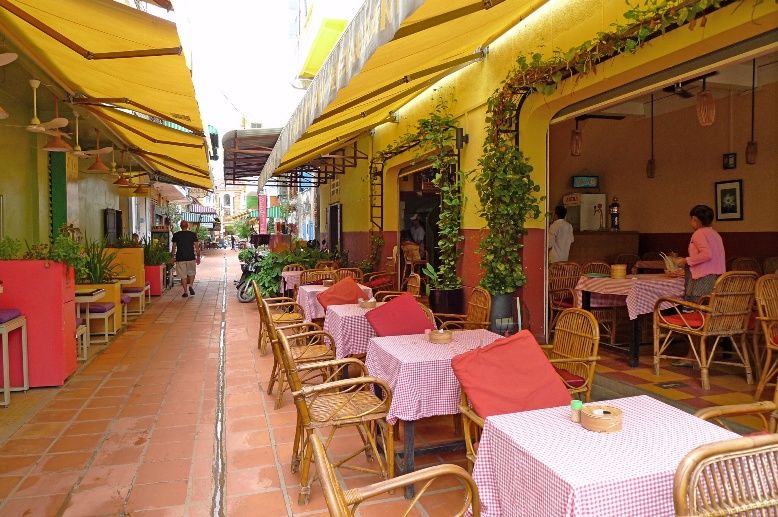


After lunch, we quickly went back to Angkor Friendship Inn to check out. On the way, I snapped a picture of this huge tree. I wondered why I did that! Just for fun I guess haha!
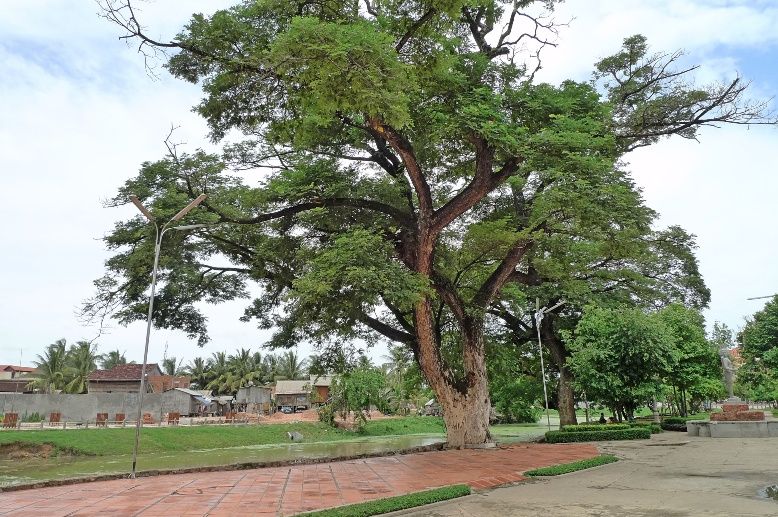


I wondered how long it would take for the bus to reach Phnom Penh from Siem Reap. I don't really like to sit in buses for too long. Well, you will soon find that out in my next post, so stay tuned.

FIRST COMMENTER

My Visit To Artisans d'Angkor In Siem Reap

Posted by : foongpc | Friday, October 14, 2011 | Published in

ADVERTISEMENT


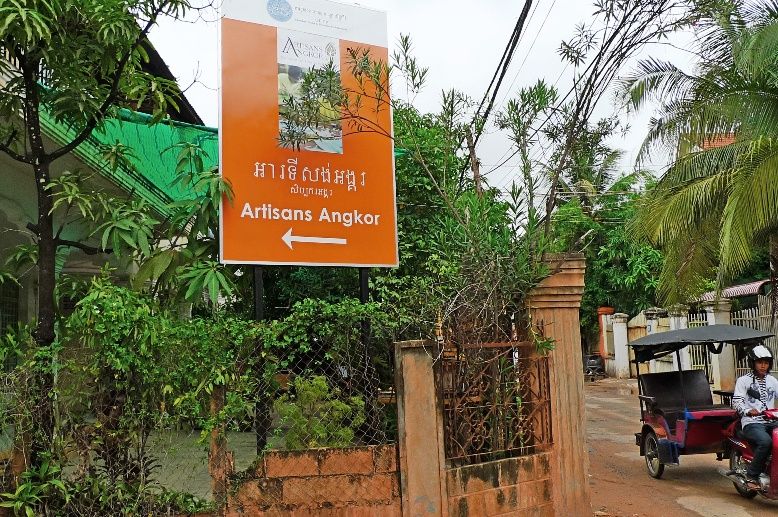
On our 4th day in Cambodia, Jam, his friend and I left Siem Reap for Phnom Penh by bus in the afternoon. We had some free time in the morning so we decided to visit Artisans d'Angkor, a workshop that is famous for its woodworking, stone carving, lacquering and silk painting.

This workshop is located at Stung Thmey Street and is within walking distance from Angkor Friendship Inn where we stayed.


Artisans d'Angkor was originally a professional training school by the name of Chantiers-Écoles to train unschooled rural youth to make a living from handicraft production. In 1998, Artisan d' Angkor was established with financial support from the European Union.


Today, it is completely self-financed, having trained young Cambodians in recreating the arts of their cultural heritage and at the same time offering them the opportunity to earn income for their families.


Entrance to the workshop is free. They also provided us with a free tour guide but we opted to tour on our own so that we could take our time and also without the hassle of being pressured to buy anything.


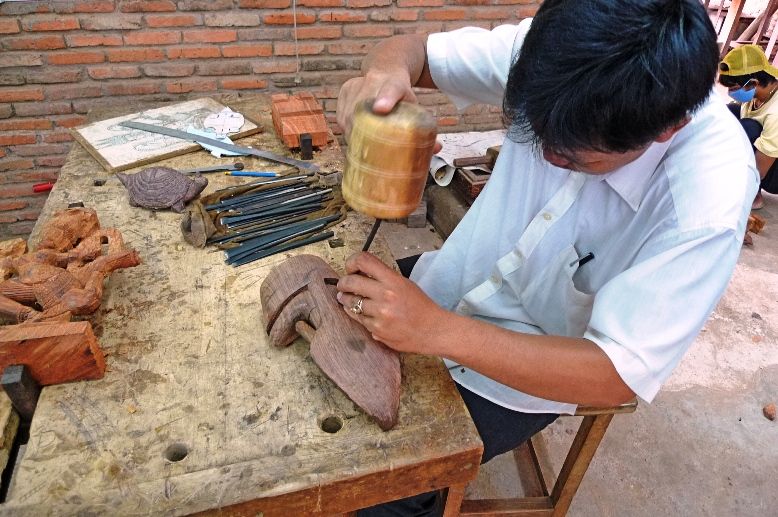
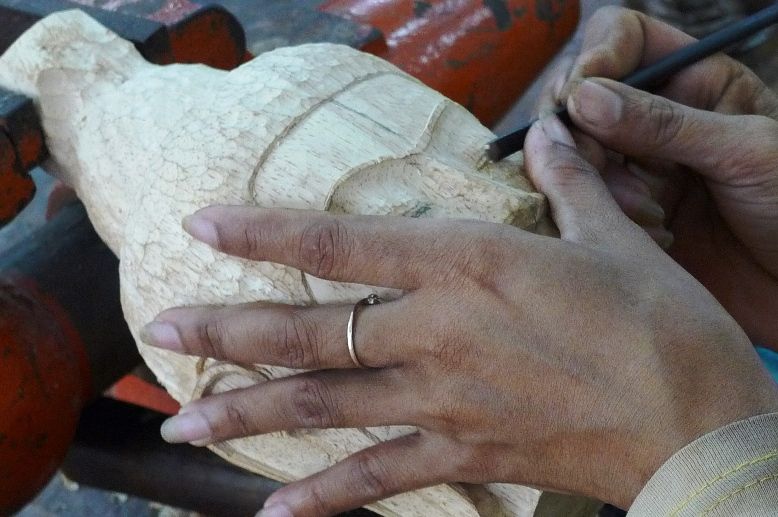
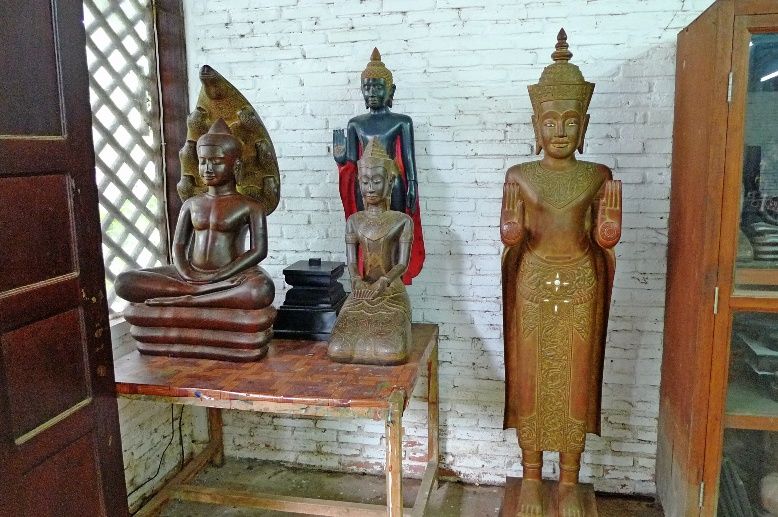
It was interesting to see the skillful workers carving woods. I think one needs to be highly skilled to be able to cut and shape the wood to turn them into beautiful sculptures.


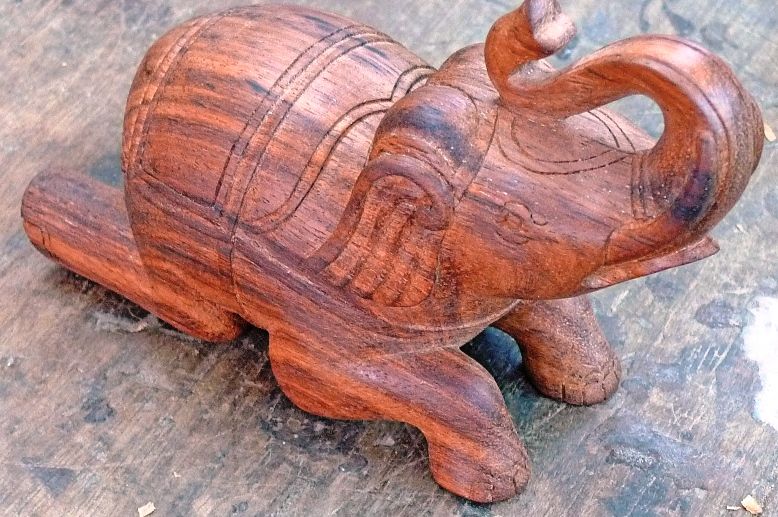
A crouching elephant carving

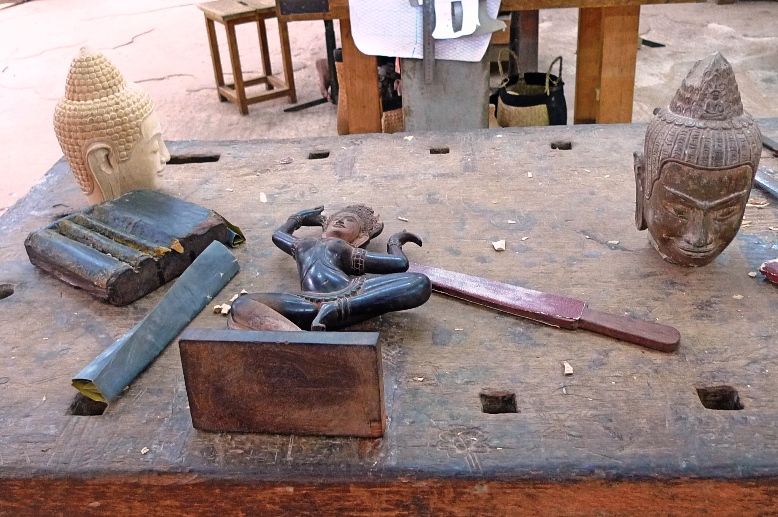
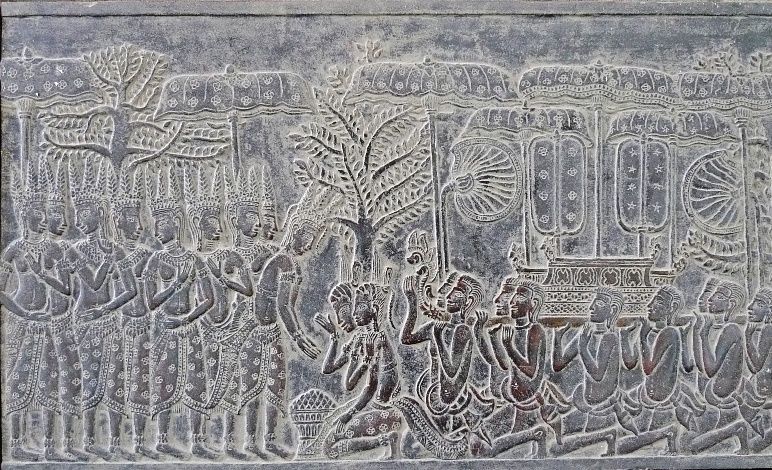
Stone carving is an art dating back to the ancient Khmer empire with the magnificent Angkorian temples as fine examples of this art. Just like the Angkorian temples, stone carvings are mostly carved from sandstone.


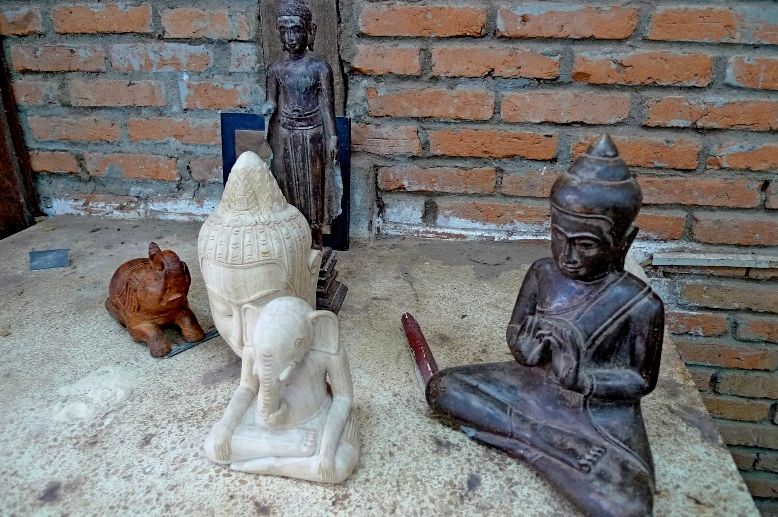
Buddha heads?


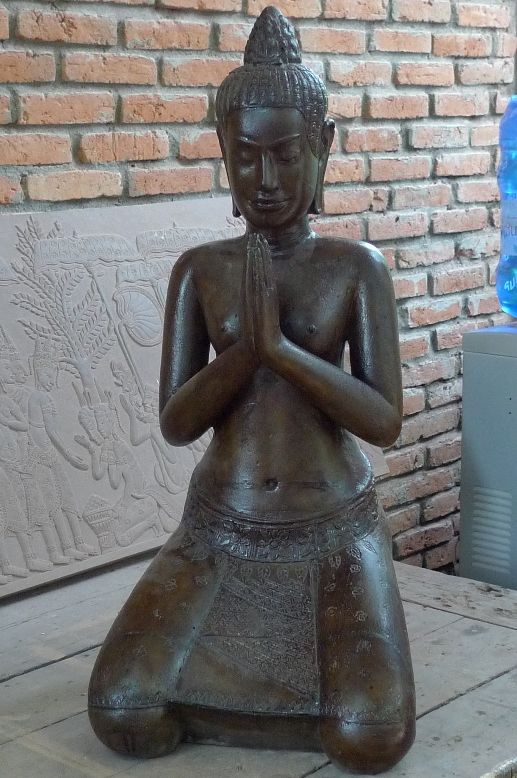
Beautifully sculptured kneeling statue


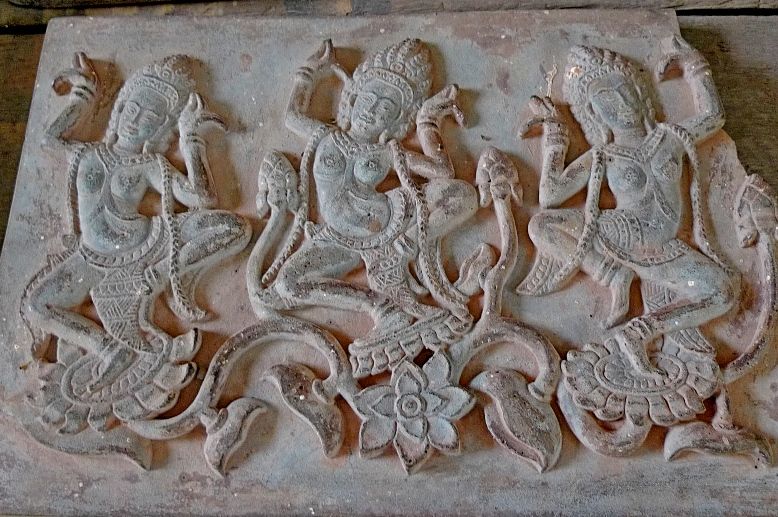
Carvings of three Apsara dancers


A masterpiece of intricate carvings


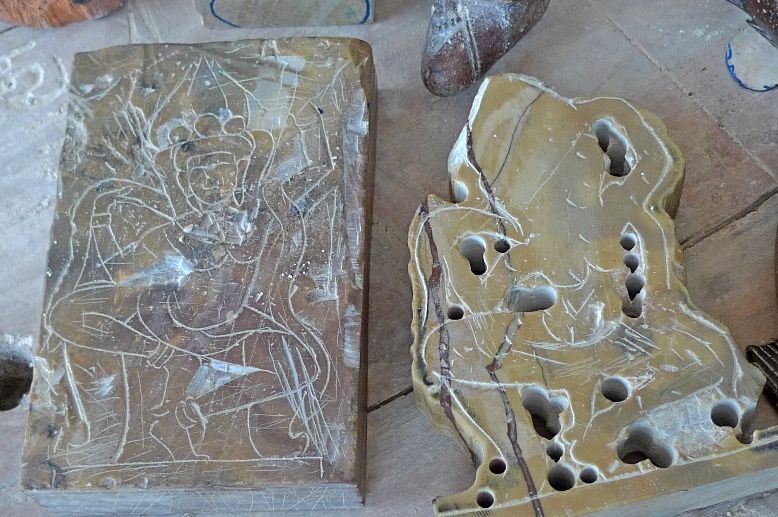
Sandstone cut and carved according to the drawing


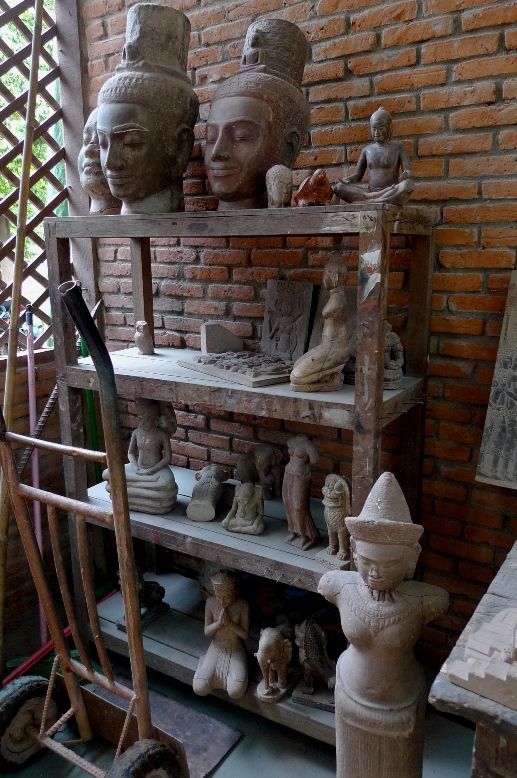
Completed sculptures and carvings on the shelf


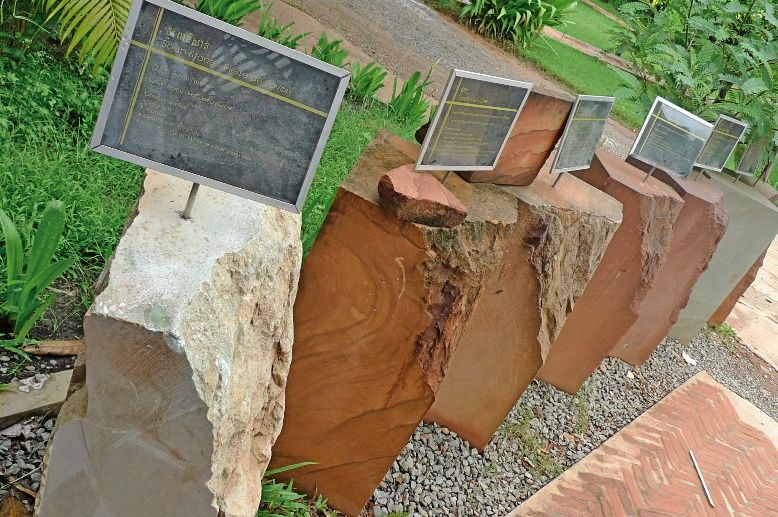
Different colours of sandstones

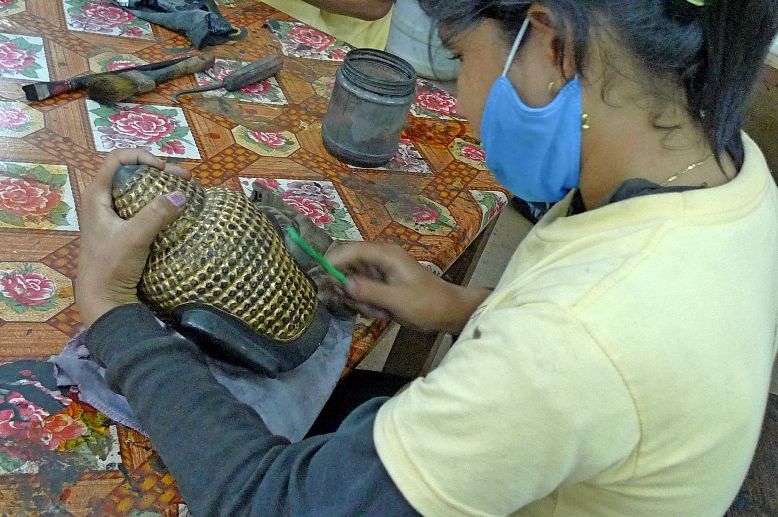
After the wood and stone carving workshops, we entered the polychromy, lacquering and gilding workshop. Polychromy involves several layers of chalk being applied on the wood carvings. Lacquer which protects the wood, is then applied to the layers of chalk. The lacquer also smoothen out the surface of the wood or stone to make colouring them easier. Copper leaf is then used during gilding to create the ‘golden’ effect on the statues.

Below are a few photos of workers busy lacquering and gilding.


Can you differentiate between the lacquered and unlacquered pieces below?


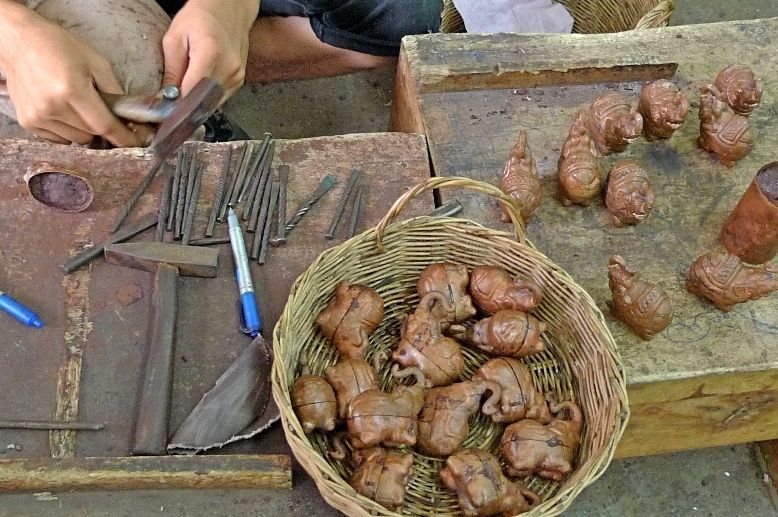
I saw a worker busy with these tiny carvings.


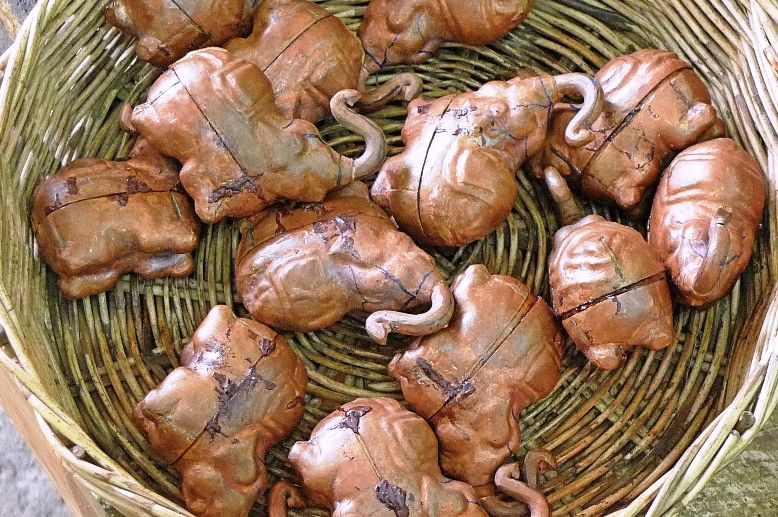
They turned out to be elephant carvings! Aren't they cute?


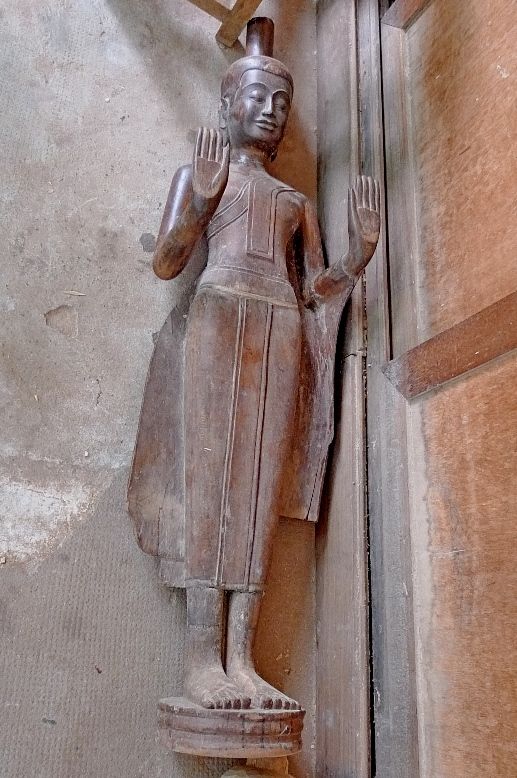
A few statues in the corner of the workshop room

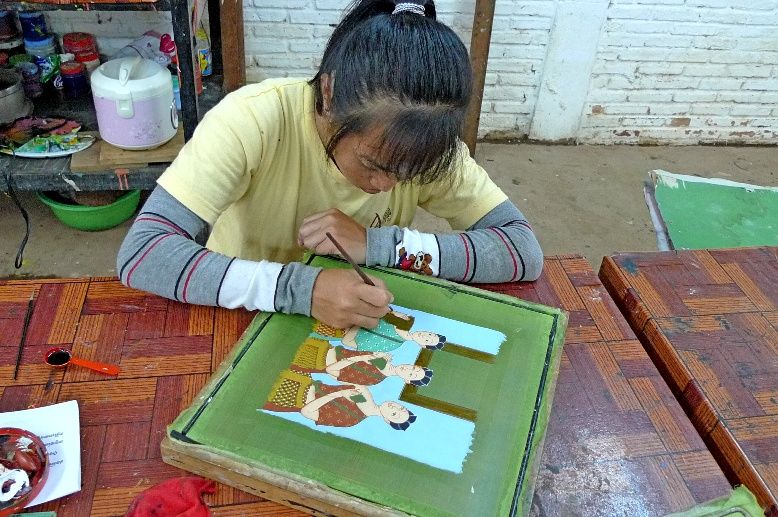
Next, we visited the silk painting workshop. The silk is produced at a silk farm about 16km from Siem Reap. There is actually a shuttle bus to bring you to the silk farm but we did not have time for that!


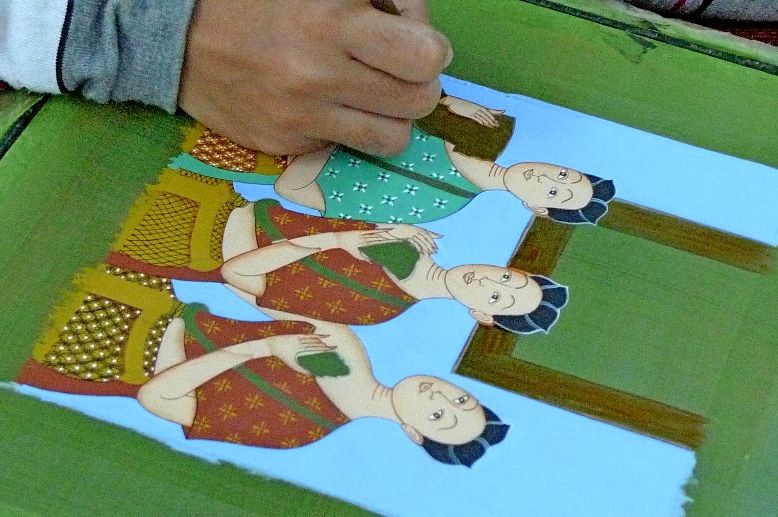
After the silk medium is set on a frame of predetermined size, motifs are drawn on it and colours using natural pigment are applied onto the motifs. Most silk paintings here are done by mute and deaf artisans.


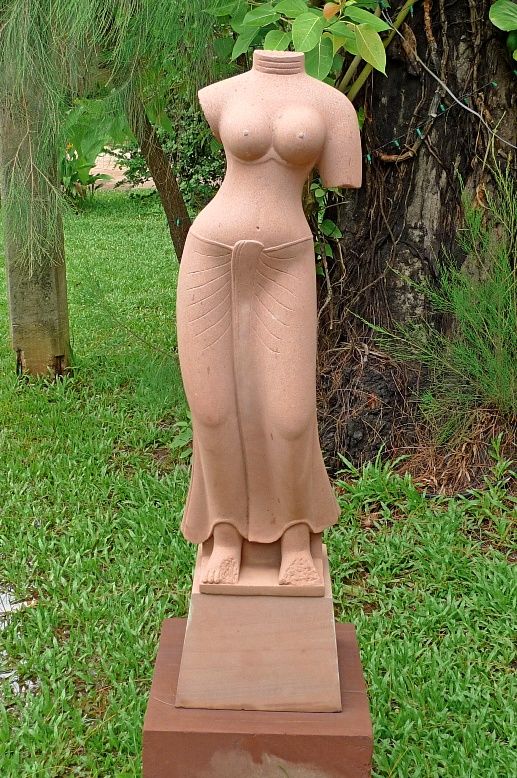
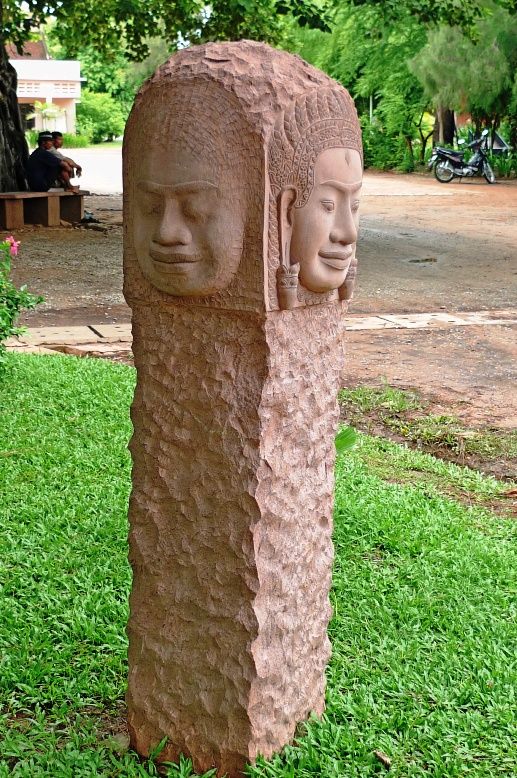
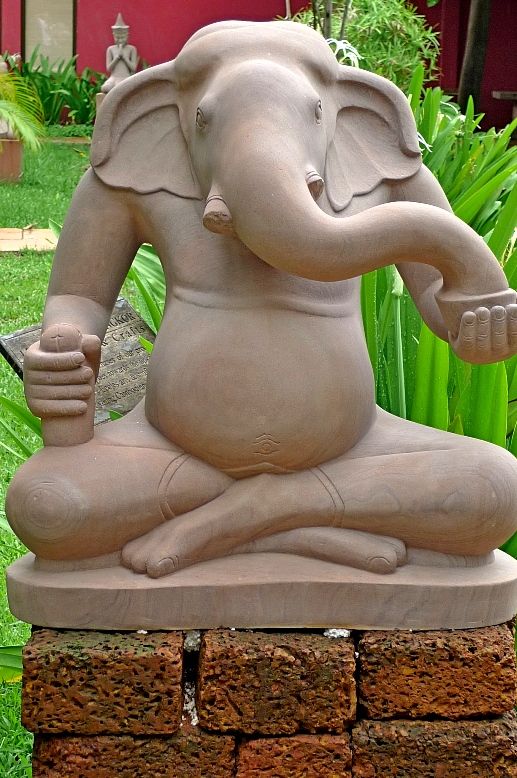
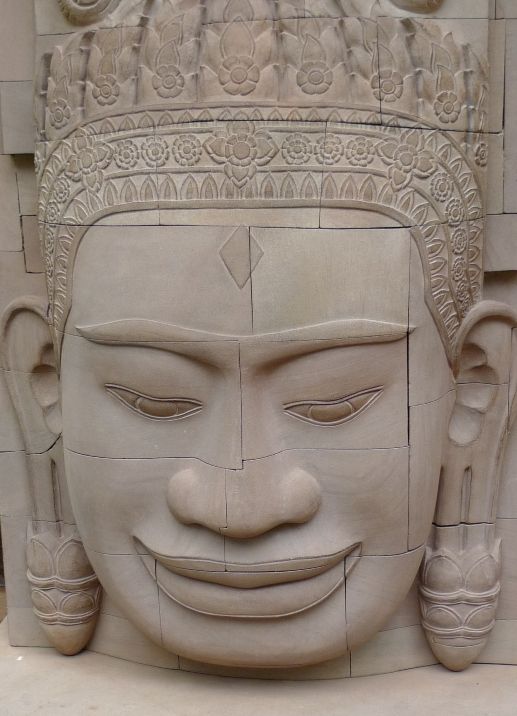
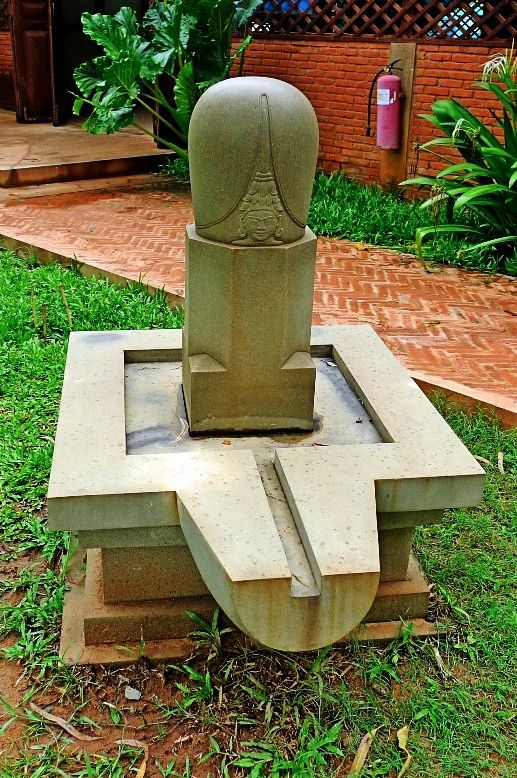
Outside the workshop building is the courtyard of Artisans d'Angkor, where many impressive looking stone carvings and statues can be found.


Artistic statue of a Goddess inspired by Indian art?


Totem of the four faced Buddha?


Elephant deity Ganesha


Bayon face


Linga-yoni structure

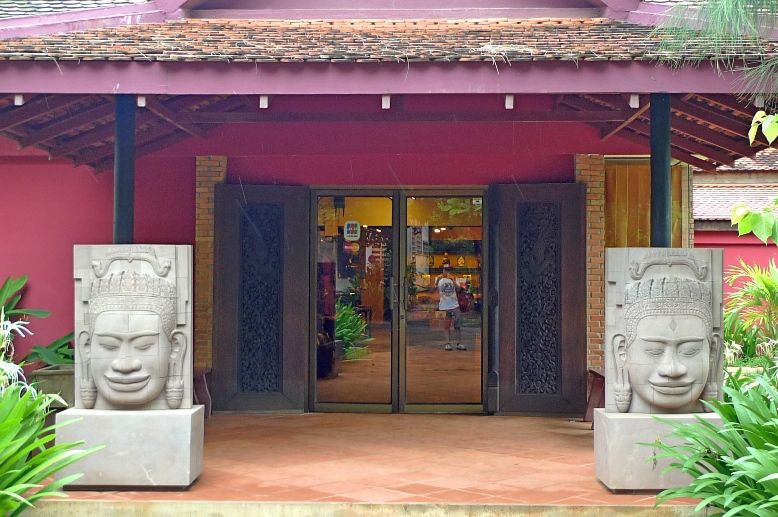
We ended our tour of Artisans d'Angkor with a visit to the souvenir shop. This is not your ordinary souvenir shop found in the market place but is actually a high quality retail shop with air conditioning. We were not allowed to take pictures inside the shop.

I only managed to take a photo of the shop's entrance.


The products sold inside were wood and stone carvings, lacquer wares and silk items from the fine workmanship of the artisans in Artisans d'Angkor. They were of the highest quality, very beautiful and very expensive too!!

I ended up buying a T-shirt (forgot the price!) and the beautiful linga-yoni sandstone like the one in one of the photos above but in miniature size. Measuring about 3.5 inches in length and width and 5.5 inches in height, this linga-yoni sandstone was priced at USD29. You can see the picture of my linga-yoni sandstone HERE.

Now this linga-yoni sandstone is being proudly displayed in my home : )


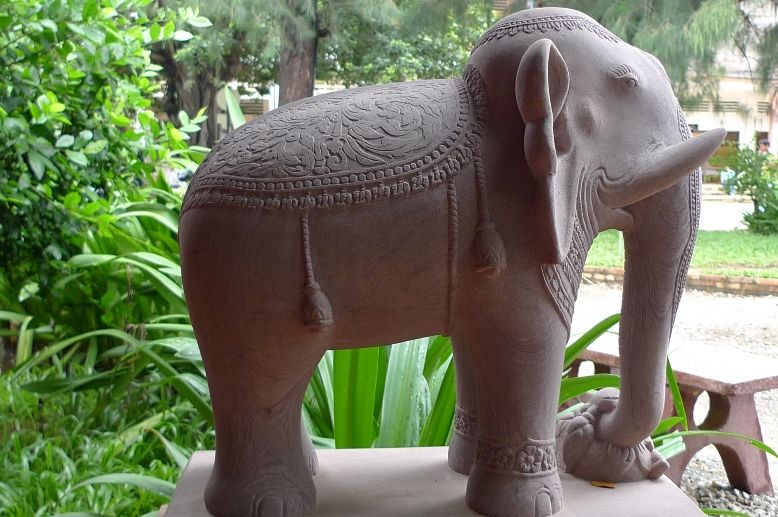
Elephant of Mebon guarding outside the shop's entrance


View of Elephant of Mebon from the top


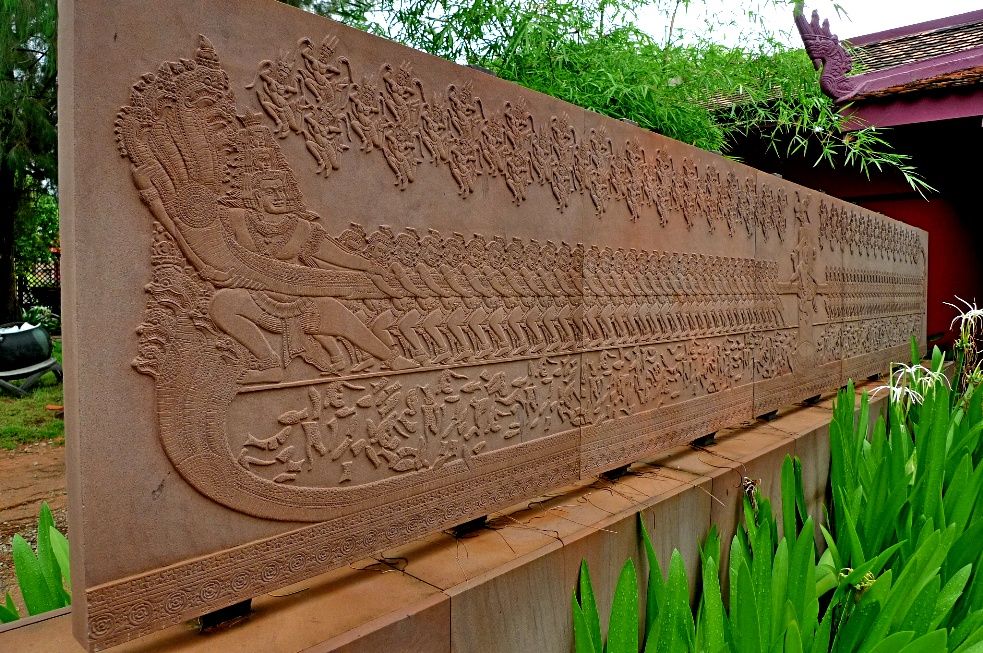
Carvings of devas and asuras pulling the Naga on a wall outside the souvenir shop

Artisans d'Angkor is definitely worth a visit so make sure this place is part of your itinerary should you travel to Siem Reap.

Coming Up Next : Walking The Streets Of Siem Reap

FIRST COMMENTER